
Space Force ‘transitioning’ SATCOM contracts from DISA
Col. Rich Kniseley said the current plan is to set up a new Space Force working capital fund for buying commercial SATCOM, initially worth about $120 million, on Oct. 1.
Col. Rich Kniseley said the current plan is to set up a new Space Force working capital fund for buying commercial SATCOM, initially worth about $120 million, on Oct. 1.
"The expectation is that we will bounce between those constellations in the same flight, so we'll move between them. Now, I don't think anybody should be guaranteeing that on flight one," said AFRL's head engineer for Global Lightning Brian Beal. "We're going to improve as we go and get to that, but that is the goal of the program."
Explore how software, edge AI and resilient connectivity can strengthen military logistics in contested environments. Join Breaking Defense on Oct. 21 and earn 1 CPE credit.

Brig. Gen. Jason Cothern, Space Systems Command deputy, said the service is looking "to incorporate capability-based contracts to include emerging p-LEO services, commercial X-band, space-to-cellular and small maneuverable GEO satellites, trying to stay ahead of the threat and also taking advantage of the commercial capabilities as they arise."

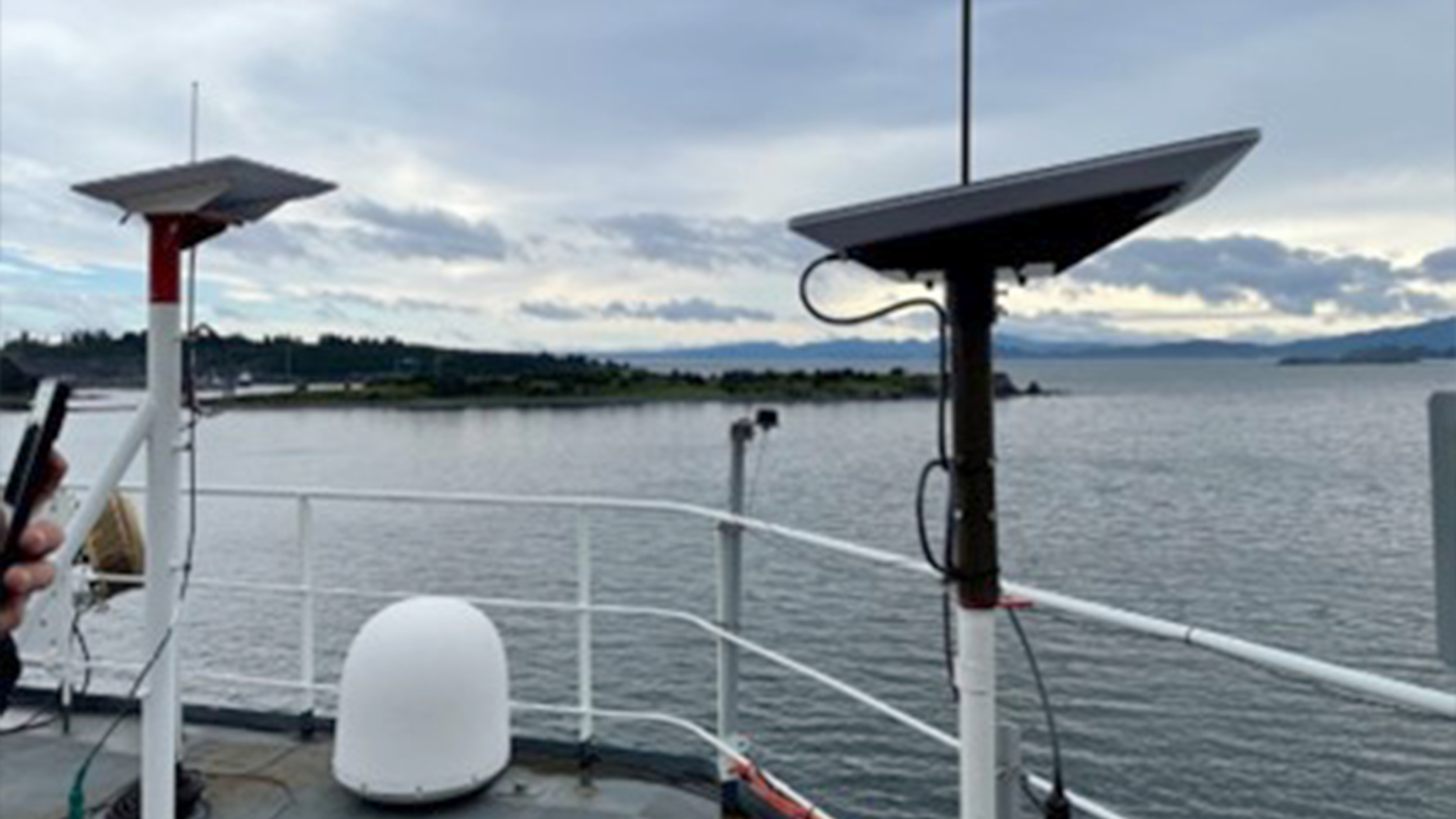
The plan is for Space Systems Command's Commercial Satellite Communications Office to set up a contracting vehicle that allows military users to buy satellite-direct-to-cellular communications capability as a service, said Clare Grason, who heads that office.
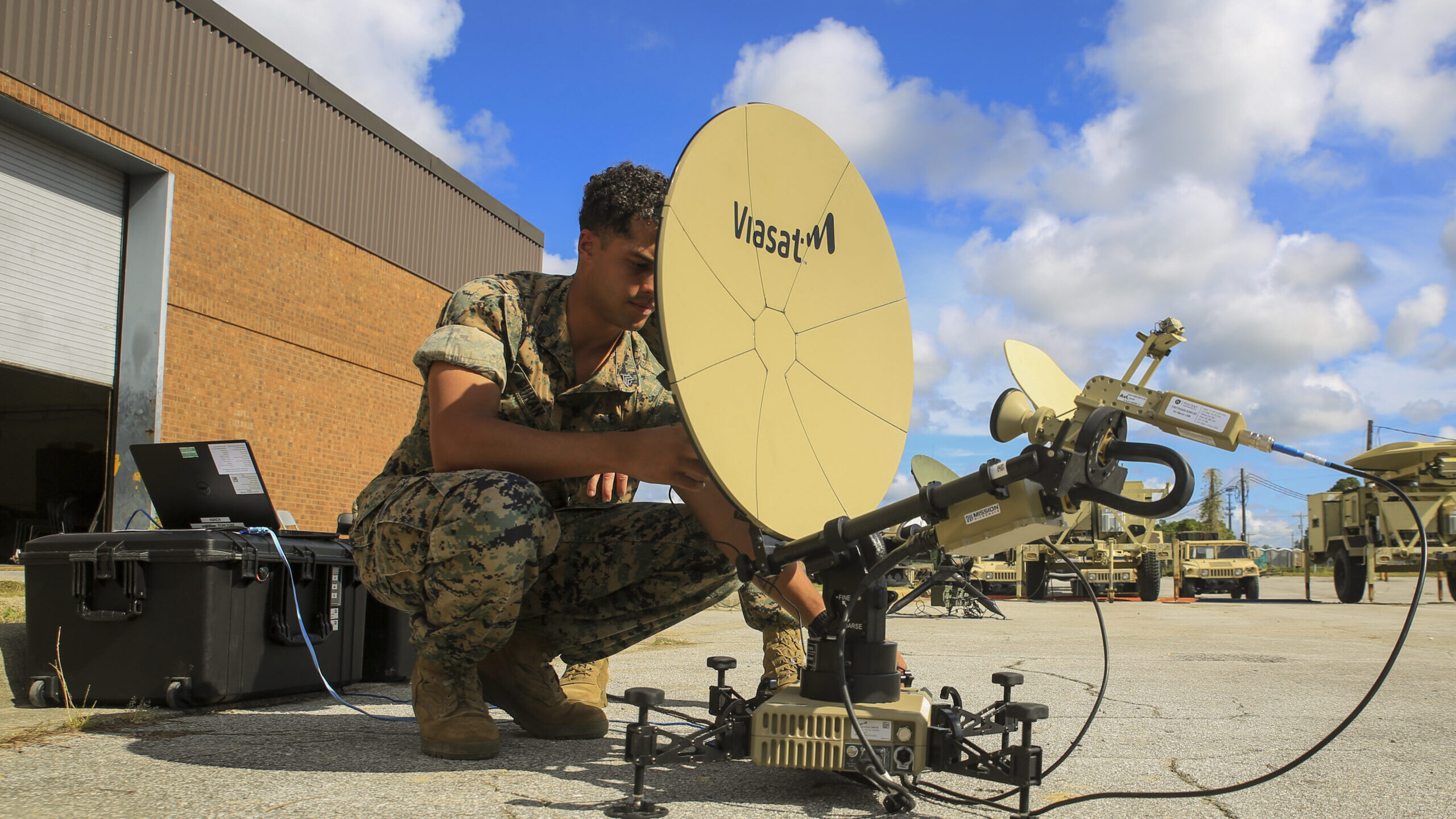
Commercial SATCOM providers have long urged DoD and the services to move from buying bandwidth in fits and starts using short-term contracts to service-style contracts that resemble a civilian’s average mobile phone or cable TV/Internet plan.

The Army believes that by moving to a "managed service" model for satellite communications, it will be able to "keep up with new solutions as they come out," Col. Shane Taylor tells Breaking Defense.
There is no single answer to the drone threat, pushing the Pentagon toward a broader mix of defenses.

Details of the plan will remain classified, but an unclassified outline is expected to reveal more about how Space Command intends to engage industry.

"We're offering a very specialized services so we're not trying to compete in the general purpose broadband," Iridium CEO Matt Desch told Breaking Defense. "We don't have to be the primary; we may be the emergency or contingency kind of solution."

Asked by Breaking Defense when a final product might be available, SWAC official David Voss quipped, "Not fast enough from what we've been told."


The U.S. Space Force is looking to the commercial satellite industry to make sure that breakthroughs in technologies like artificial intelligence and machine learning are made available to combined commercial/military satellite networks.


"Being able to tell the commander you don't need to do something is actually a pretty powerful message, as well."
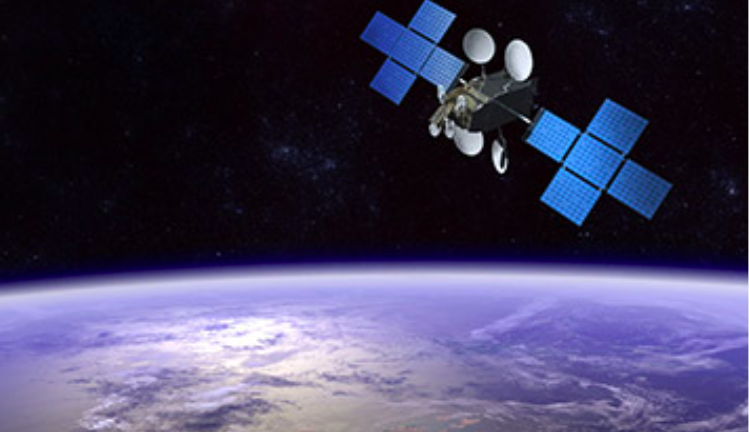
"Viasat has been undergoing an existential crisis as it competes with SpaceX for the satcom market," one industry source said.

The planned buy with the largest potential value is for DoD-wide SATCOM services from commercial operators of p-LEO constellations, with multiple awards totaling $875 million slated in August 2022.

"If the Space Systems Command is going to acquire other commercial services in the same fashion that CSCO has been acquiring commercial SATCOM, then that will not serve the warfighter well," said Rebecca Cowen-Hirsch, senior vice president for government strategy and policy at Inmarsat.
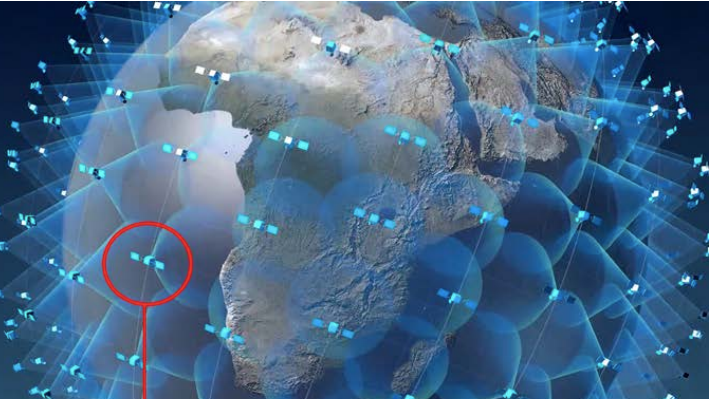
Space Force's is to allow for "increased trust in industry" to assess their own systems' cybersecurity needs, "while doing due diligence" in reviewing whether those assessments are reliable, said Jared Reece.